INVESTING: what type of property should you choose?
Are you looking to invest and interested in property? You still need to decide what type of property you wish to invest your money in. This will naturally depend on your budget, but also on how much time you can devote to it and the return you expect!

Investing in a flat
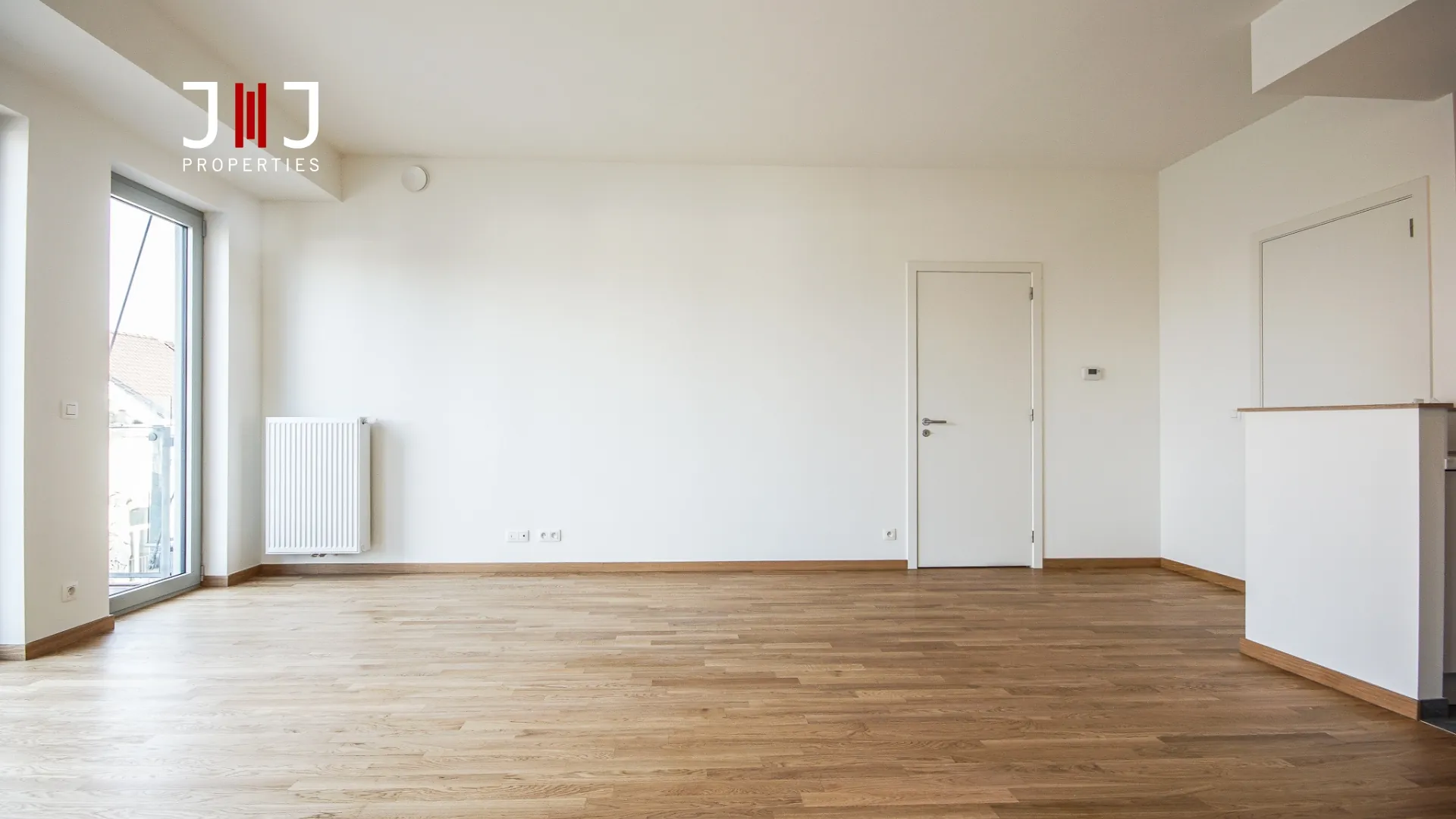
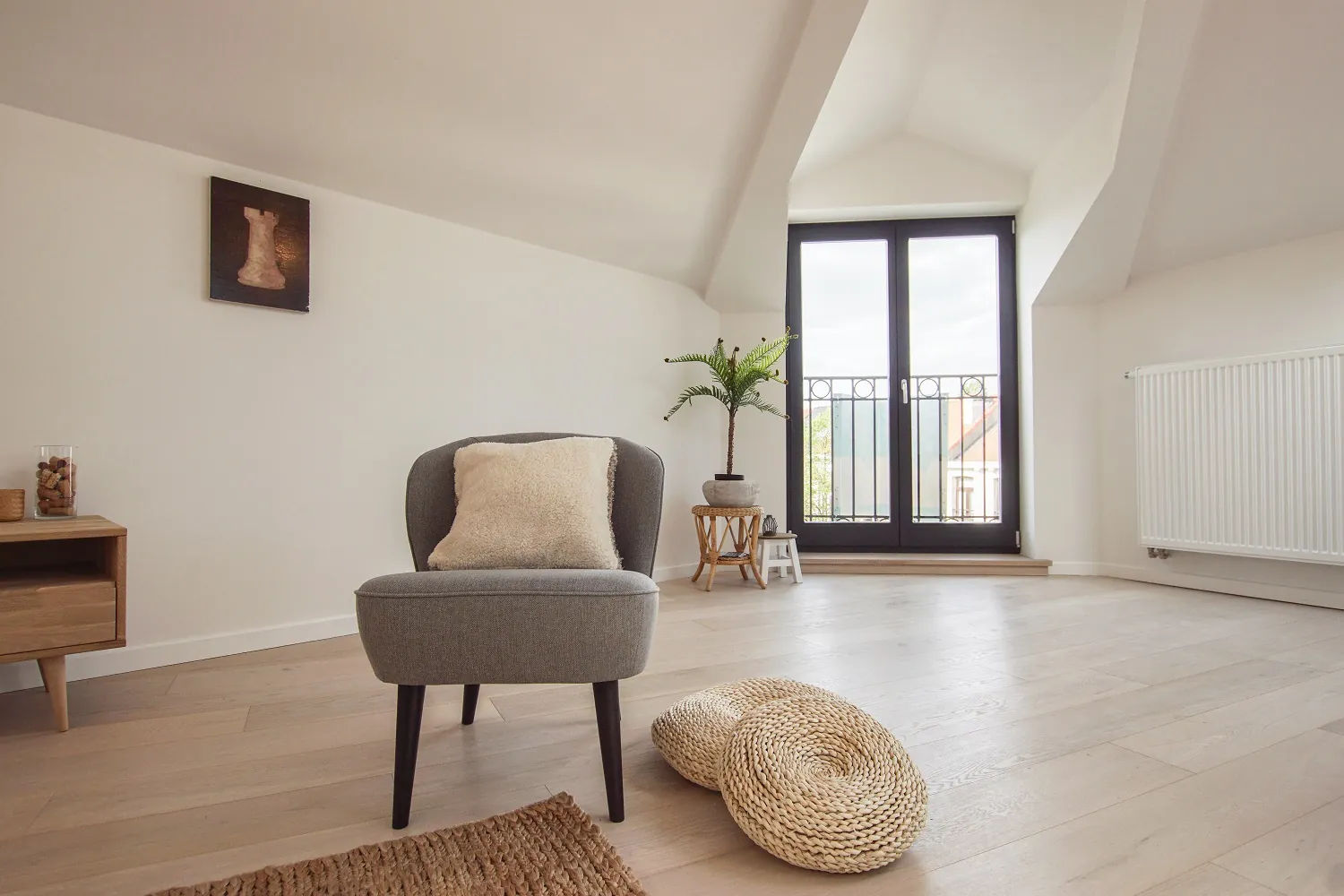
For investment purposes, it is better to invest in a studio or a one- or even two-bedroom flat, as these are easy to let… Typically to expats, a small family or a young couple.
For properties with more than three bedrooms, you need to be open to house shares. This spreads the risk across several tenants and allows you to maximise the rent if you decide to let by the room.
When investing, it is essential to pay close attention to the charges. Choose buildings with low communal charges, as it will be easier to find a tenant because this is an important consideration for many people.
Student rooms
Investing in student rooms is very similar to investing in residential property, although the administrative burden may be higher because students tend to move more frequently than other tenants. You should therefore ensure that your property is of a high standard, as this will influence the length of the tenancy.
In most cases, parents decide to invest in a student room for the entire duration of their child’s or children’s studies. This guarantees them several years of occupancy without rental voids, after which they often continue letting to other students or sell the property. However, when investing in a student room, make sure your property is in the right location!
Commercial premises / office
Investing in the tertiary sector is worthwhile, but not as a private individual. This is typically the kind of property that should be purchased through a company. Otherwise, the rent you receive will increase your income and, consequently, your taxable income.
A plot of land
A plot of land will not really provide a return because, in principle, there is no rent… but nor will you have any significant charges. Its appeal therefore lies in the long-term capital gain.
A garage
With a garage, costs and administration are limited.
The return will naturally depend on the location. A net return of 3.5–4% can be considered satisfactory. The advantage of a garage is that it is a highly liquid asset that can be resold quickly.
However, even as a private individual, if you let garages, lock-up garages or parking spaces, you will generally become liable for VAT. This is not the case, for example, if you let a flat with an adjoining garage.
If you are not liable for VAT in respect of another activity and the annual turnover generated by these lettings does not exceed 25.000 euros, you can opt for a special scheme: the VAT exemption scheme. Under this scheme, you must still apply for a VAT number, but you are exempt from most other obligations (for example, you will not have to charge VAT to your tenants).
J&J Properties
A question or a property project?
Our team supports you from advice to signing.