Bare ownership, usufruct, full ownership: what are the differences?
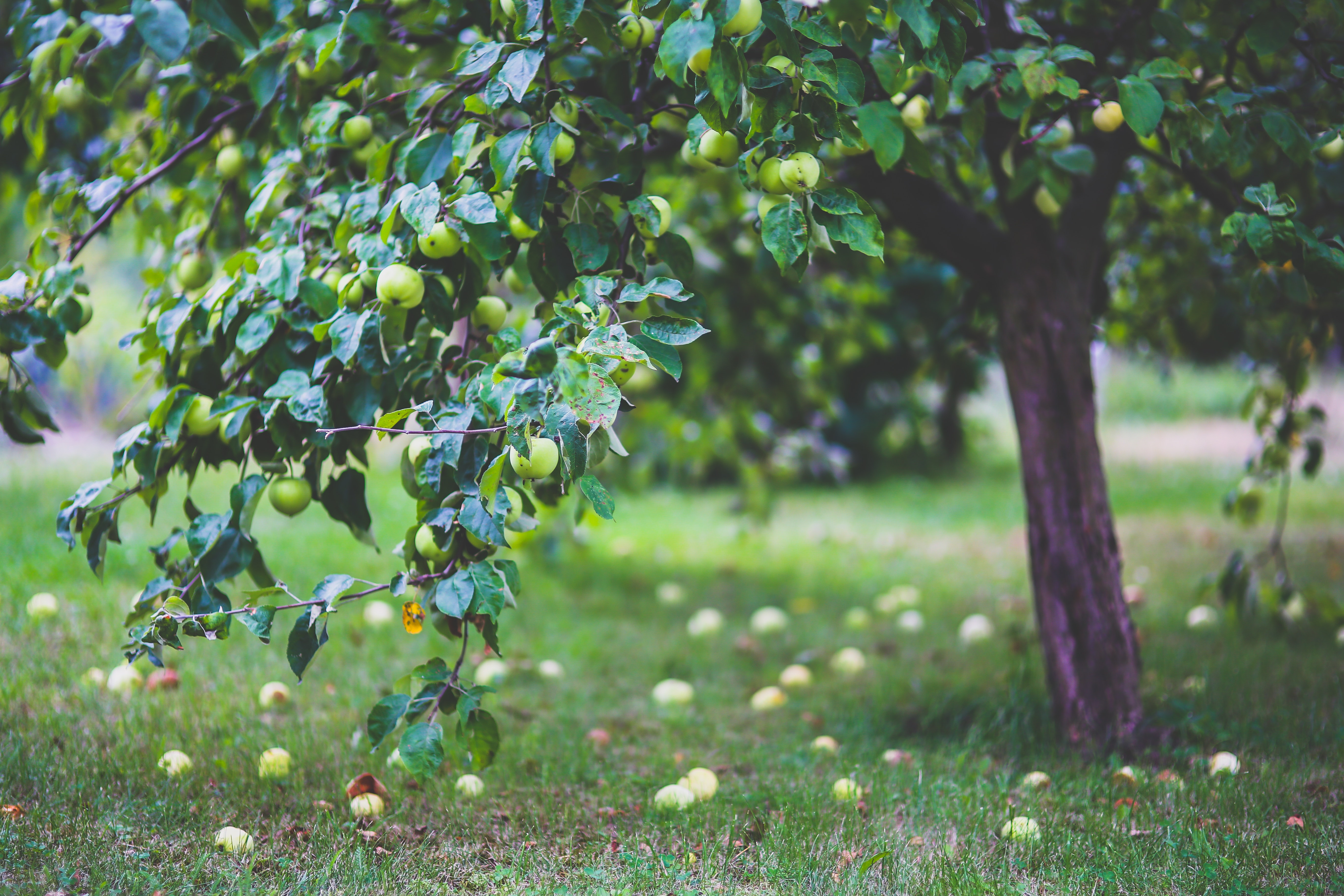
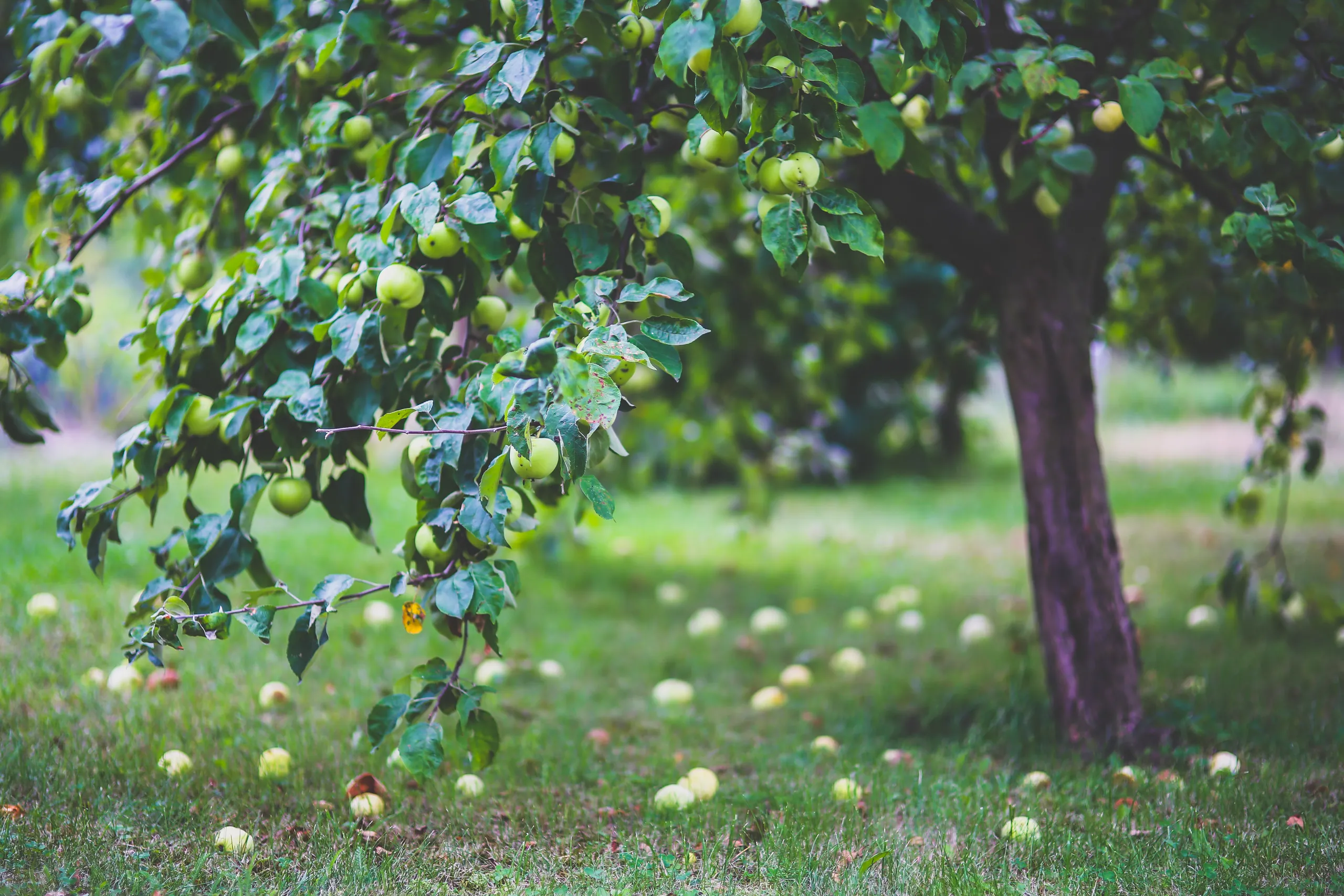
Let us take the example of an apple tree.
The person who has full ownership owns the tree and is also entitled to use its fruit. In theory, they are the only person who may benefit from it.
The bare owner owns the tree but is not entitled to use the apples… It is the usufructuary who may benefit from the fruit of the tree.
In property, it is much the same as with apples:
The bare owner owns the property but does not live in it or receive any rent if the property is let. The usufructuary may live in the property or receive the rent if they let it out.
The three most common situations in which these terms arise will help you better understand their subtleties.
- The first situation is when parents transfer the family home into their child’s name but continue to live there. The child therefore has bare ownership, while the parents are the usufructuaries. This means that the child will become the full owner upon the parents’ death.
- The second situation arises in the event of a divorce. One spouse has bare ownership but allows the other spouse to live there with their children; they therefore have the usufruct of the property.
- In the case of a sale under a life annuity arrangement: this arrangement is favoured by older people who wish to supplement their pension while continuing to live in their home. It involves a sale in which the buyer pays a fixed lump sum (the bouquet) and a monthly annuity until the older person dies or for a predetermined period. The older person continues to live in the property and is the usufructuary, but does not have bare ownership, which is held by the buyer. It is therefore a form of investment for the buyer that also allows the seller to continue living in their home.
The usufruct usually continues until the usufructuary’s death, although a time limit may also be specified when the agreement creating the usufruct is concluded.
With regard to building work and repairs, the bare owner is responsible for major works and repairs, while the usufructuary is responsible for maintaining the property and keeping it in good condition. When their right expires, the usufructuary may not claim reimbursement for any work they have undertaken.
As explained above, the usufructuary has a right to the fruits of the property, which means that they may let the property and receive the rent. They must also declare the cadastral income and pay the property withholding tax.
J&J Properties
A question or a property project?
Our team supports you from advice to signing.