Being a tenant has its advantages: greater mobility and a wider choice of homes, no major works to pay for, no mortgage to repay,… But one of the major drawbacks is that you cannot simply do whatever you want!

1. Subletting
Nowadays, everyone knows Airbnb, and it is certainly tempting to take advantage of the platform. Are you going away for a week, a month or longer and would like to sublet your flat? As a tenant, you are not entitled to do so. You must obtain the landlord’s written consent, and the co-ownership association must also give its approval!
Many people do it anyway, but be careful, as it could backfire on you. In Brussels, the property must also be registered as tourist accommodation. Otherwise, you could face a fine ranging from 250 to 25.000€ if an inspection is carried out!
2. Carrying out major works
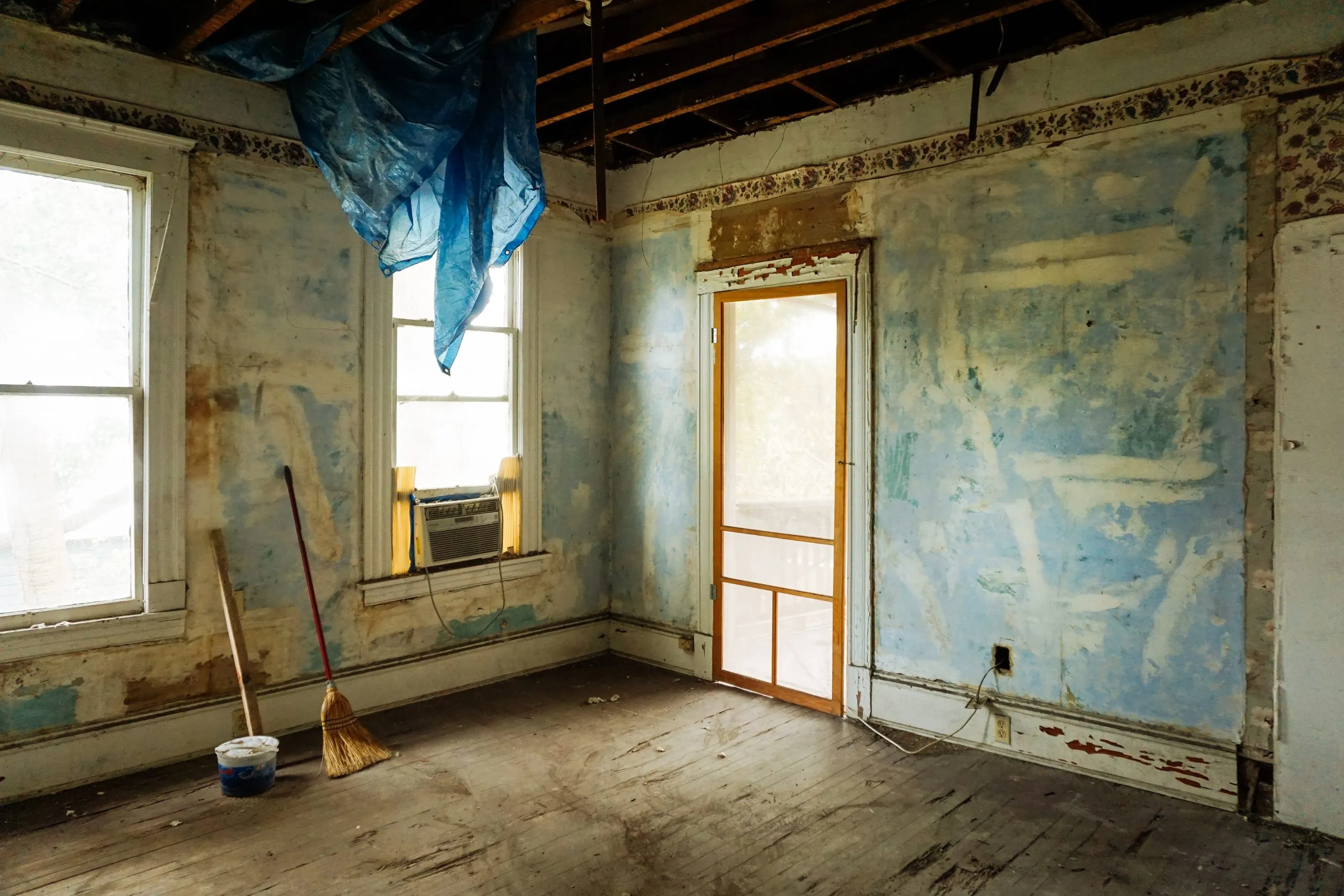
Is your flat not quite right for you? Would you like to enlarge the bathroom? Well, resist the temptation. Unfortunately, you must return the property in the condition in which you rented it and therefore cannot carry out works that would alter its dimensions or layout. You are, however, fully entitled to repaint, hang pictures on the walls, …
3. Overcrowding the property
The law is clear on this point: a minimum amount of space is required to live in suitable conditions. A minimum floor area must be respected according to the number of occupants. This number may also be specified in the tenancy agreement.
– 18 m² for 1 person;
– 28 m² for 2 people;
– 33 m² for 3 people;
– 37 m² for 4 people;
– 46 m² for 5 people;
+12m² for each additional person
4. Setting up your offices at home
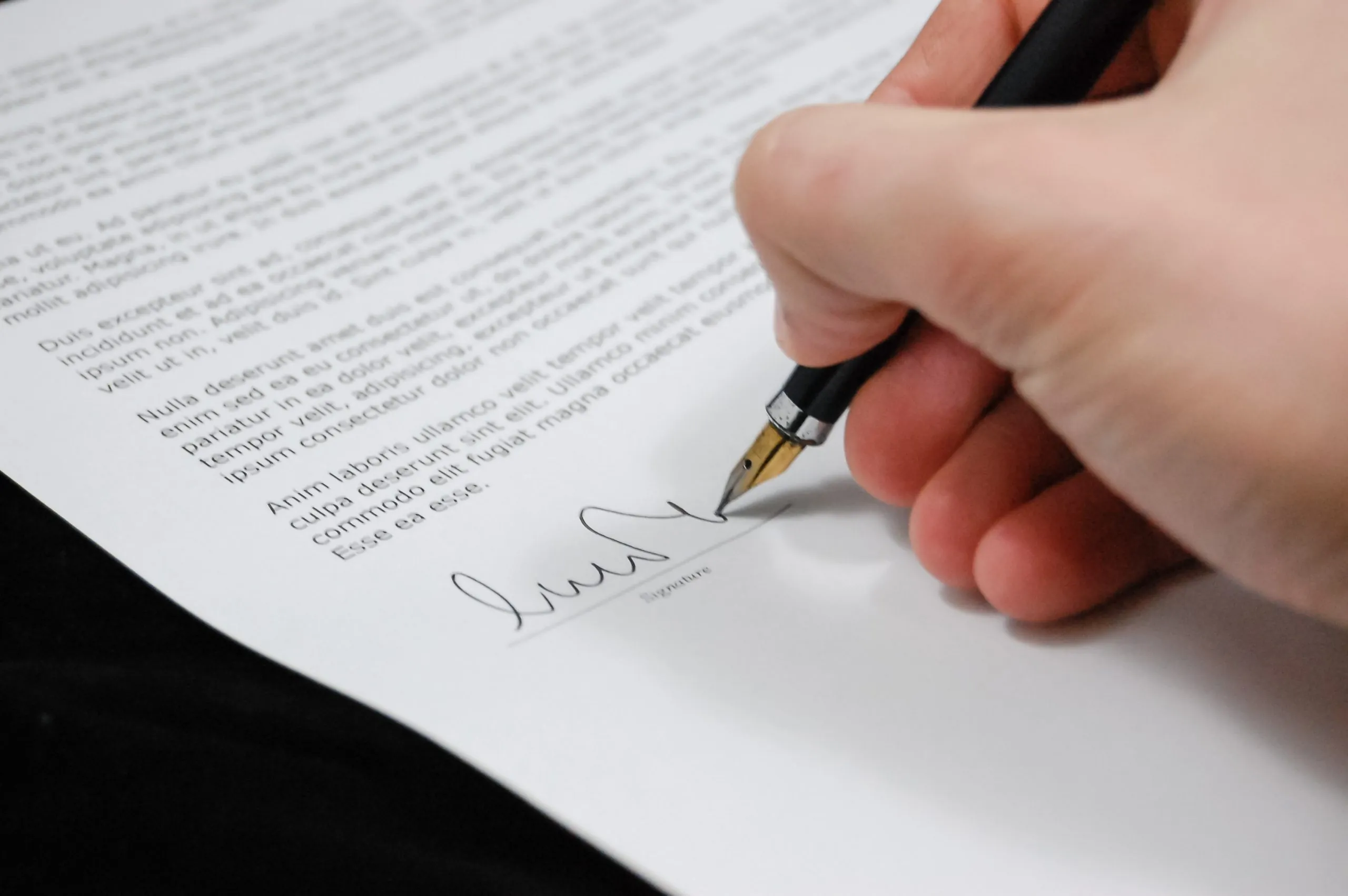
When you sign a tenancy agreement, it defines how the property may be used. If it is a residential tenancy agreement, you are not entitled to establish your offices there without the landlord’s consent. It must remain a residential tenancy agreement with professional use only as an ancillary activity and must not be reclassified as a commercial lease… this means that not all activities are permitted. The landlord must also be aware of the tax implications: see here !
5. Leaving without giving notice
Whatever the circumstances, if you wish to leave the property you are renting, you must notify the landlord. This may seem obvious, but some tenants think they can simply leave from one day to the next. However, the law states that, for a standard tenancy agreement, the tenant must give 3 months’ notice, beginning on the 1st of the month following the sending of the notice by registered post. In addition to the notice period, depending on the year of the tenancy agreement, compensation may also be payable to the landlord: more information.
6. Withholding payment, even in the event of a dispute
Sometimes a tenant decides to stop paying their rent because they believe they are entitled to do so. This can happen for several reasons (for example, a defect in the property that has not been repaired promptly). As a tenant, you are required to pay your rent. If you fail to do so, whatever the reason, you are in the wrong in the eyes of the law! To formally express your disagreement, you are advised to serve notice on the landlord by sending a registered letter that clearly explains what you expect from them. In the meantime, you may pay your rent into a blocked account, with the funds only being released once the necessary works have been completed. This protects you and also provides evidence of your request and your good faith.
7. Failing to maintain the property properly
As a tenant, you are required to respect the property in which you live. This means that you must properly maintain the property you rent: clean it, oil the parquet flooring, service the boiler, put out your rubbish, maintain the garden, … If the property is not properly maintained and has consequently suffered damage, your tenancy deposit may well be used to cover it.
J&J Properties
A question or a property project?
Our team supports you from advice to signing.