TENANT: What should I do if my home does not comply with the standards?
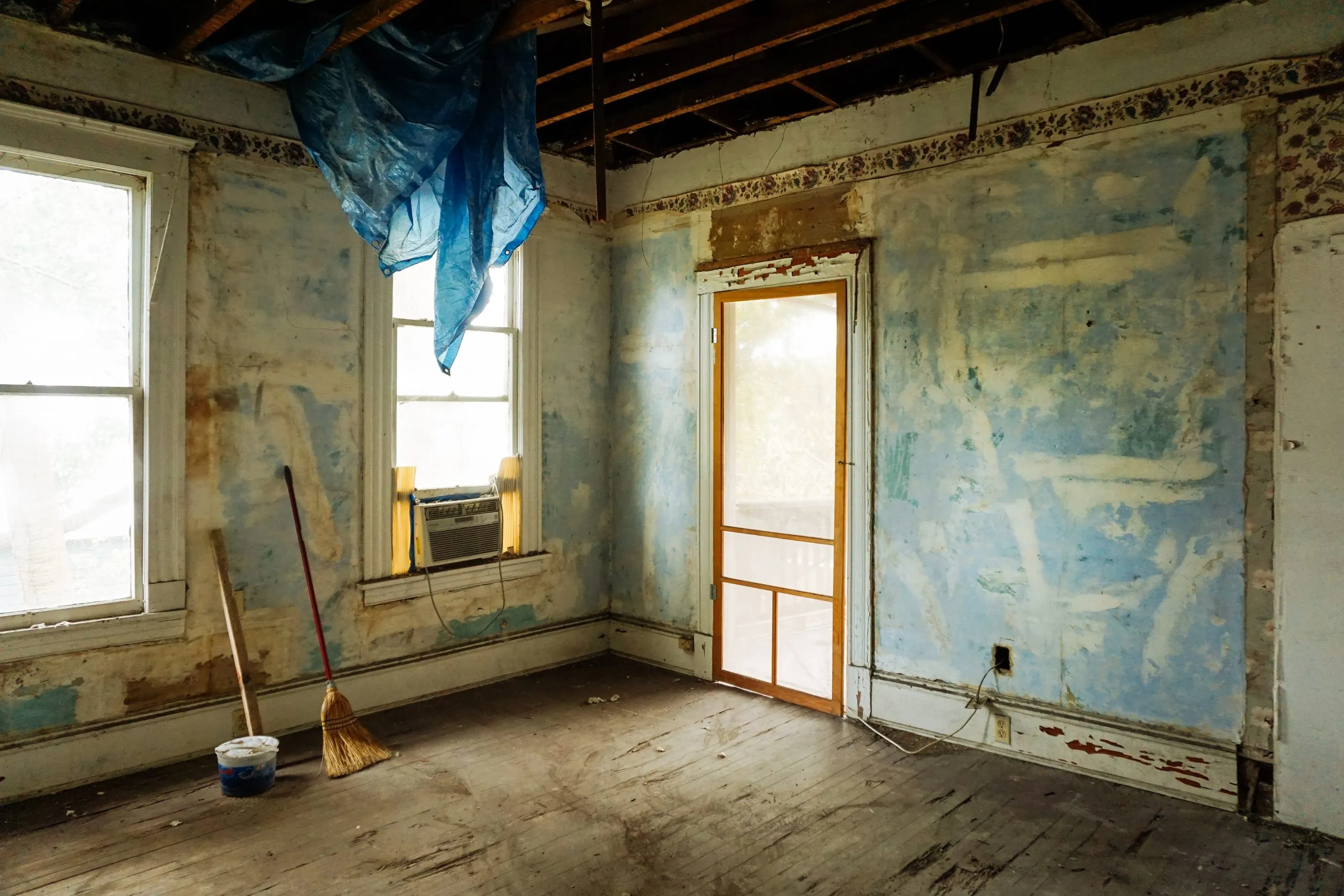
Your home may not meet health, amenity and safety standards. If you are in this situation, there are various steps you can take to confront your landlord about these shortcomings.

If your request concerns a failure to comply with the health, safety and compliance standards applicable to your home, you have several options:
- The most obvious solution is to try to reach an agreement with your landlord without going to court.
To do so, the first step is to send a registered letter to your landlord explaining the various problems and setting out your requests in writing, asking them to take action within a reasonable period – two weeks, for example. Keep a copy of the letter and proof of postage; you will need these documents if you decide to lodge a complaint.
If you receive no response to this registered letter, send a registered letter of formal notice requiring your landlord to carry out the work.
Example letter of formal notice
- Finally, if you still receive no response, you can lodge a complaint at several levels (you may submit your complaints simultaneously):
1. The municipality | objective: to combat threats to the health/safety of its residents
Your request will be processed much more quickly through this channel.
The Mayor may have jurisdiction to receive complaints concerning the health and safety of a home. In theory, the complaint is admissible if the property constitutes a public-order nuisance. However, the concept of “public” is interpreted broadly.
A damp problem, for example, which could potentially cause mould that might spread “outside”, may be considered “public“. An unstable guardrail on a balcony may also pose a threat to public safety. If necessary, the mayor will issue a legally binding police order and take all necessary measures.
2. The Region | objective: bringing homes into compliance
At regional level, your request will take at least 2 months to process. The complaint may be submitted during organised drop-in sessions or by registered letter, specifying the property address and the landlord’s contact details and including a copy of the tenancy agreement and/or proof of payment of the last 2 months’ rent, as well as details of the problems affecting the property.
The competent authority in Brussels is the Regional Housing Inspectorate (DIRL). Following your complaint, the DIRL will send inspectors to inspect the premises. If they find one or more breaches of the Brussels Housing Code, they will formally require the landlord to carry out the necessary work and may also issue administrative fines if necessary.
3. The Federal level | objective: protecting tenants in their relationship with their landlord
You may also apply to the Justice of the Peace; both parties may appear voluntarily, but you may also compel a reluctant party to attend and initiate legal proceedings. Proceedings before the Justice of the Peace are adversarial, which means that both parties may present their arguments and respond to those of the opposing party. The Justice of the Peace checks whether there is indeed an unfit housing problem, determines who is responsible and, if necessary, imposes measures on the landlord. The advantage of the federal level is that the Justice of the Peace may provide for means of applying pressure to compel the responsible party.
We described in another article the work and repairs for which the landlord or tenant is responsible; it may help clarify the landlord's obligations.
DID YOU KNOW?
Please note that you cannot stop paying your rent on your own initiative. If you have served formal notice on your landlord, it is best to pay the rent into a special account (with a solicitor, for example) so that you can prove that you intend to pay it to your landlord if they fulfil their obligations. It is important to comply with this principle, as failing to do so could put you in the wrong…
J&J Properties
A question or a property project?
Our team supports you from advice to signing.