Are you looking for a property? To invest in or to live in?
There is clearly a choice to be made between a new-build and an existing property, so here are a few pointers to help guide your decision!
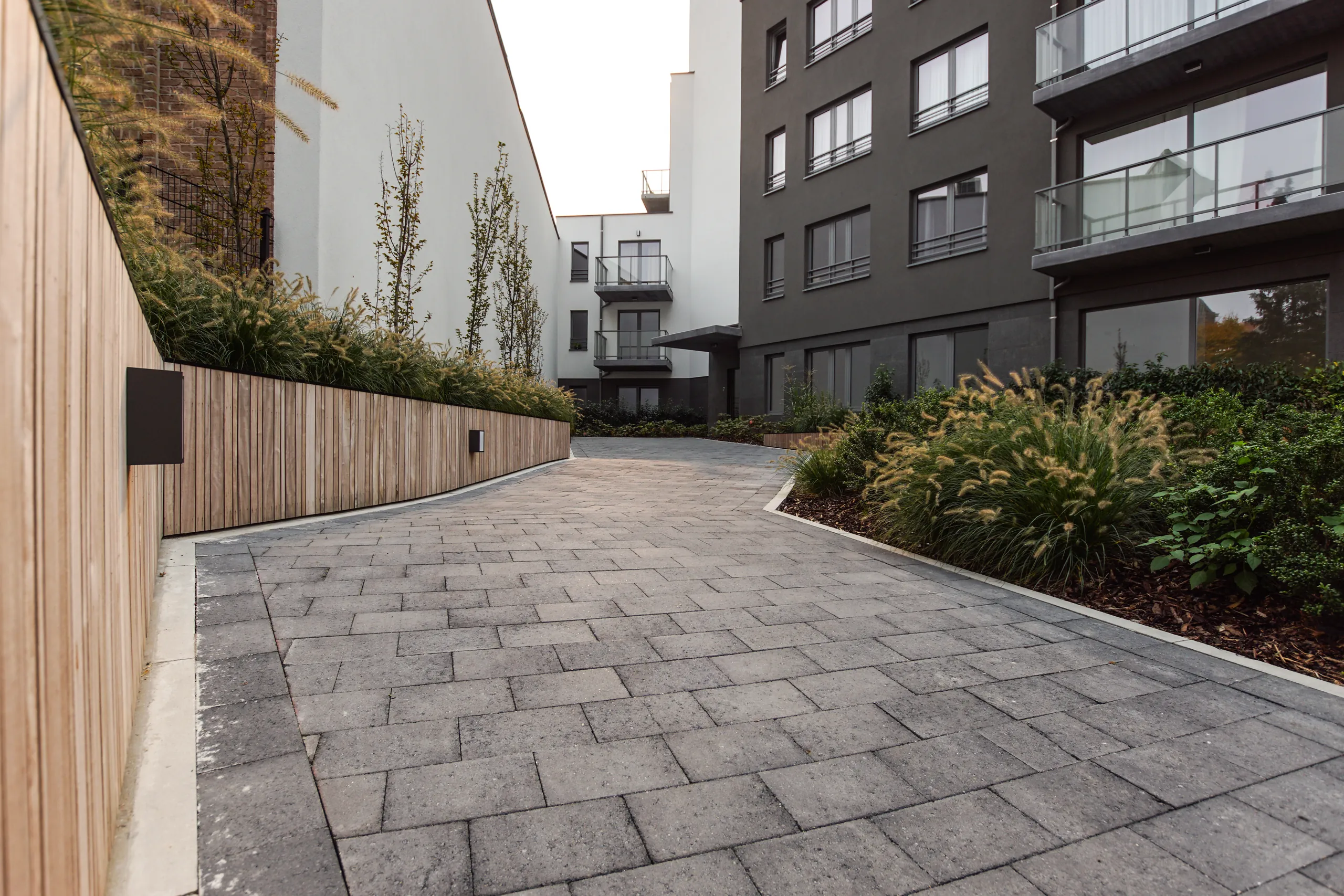
NEW-BUILD PROPERTY

ADVANTAGES
No building work
In theory, with a new-build property, you should not need to undertake any work on the co-owned building for 10–20 years… This obviously reduces service charges and improves your return for the coming years. By then, a healthy reserve fund will already have been built up to cover the first works!
Guarantees ten-year guarantee and latent defects
The ten-year guarantee is provided by the builder and covers the repair of certain defects that may affect a building for a period of 10 years from acceptance of the works. When purchasing a new-build property, you are also covered for one year against any latent defects.
Building compliant with current standards
By investing in a new-build property, you are generally better prepared for the future: in principle, its energy performance and insulation comply with current standards… which also means savings on service charges!
DISADVANTAGES
Higher price – 21% VAT
When purchasing a new-build property, you will pay VAT at 21% instead of the standard registration duties of 12.5%. For new-build properties, there is no allowance for first-time buyers. To reduce this VAT burden, it is nevertheless possible to be taxed at 12.5% on the land and 21% on the property.
Finding the first tenant can sometimes be difficult
Generally, around 50% of buyers in a new-build development are investors. It may therefore sometimes take longer to find a tenant for the first letting, as the flats are all more or less the same style. If 30 flats in the same building come onto the market at the same time, there will inevitably be a high risk of price competition. This obviously only applies to the first letting and evens out over time, as not all the flats will be put back on the rental market at the same time.
Standardised finishes
Flats in new-build developments are often highly standardised and lack the charm that existing properties can offer. However, they are designed to appeal to the widest possible audience and are therefore perfect for letting.
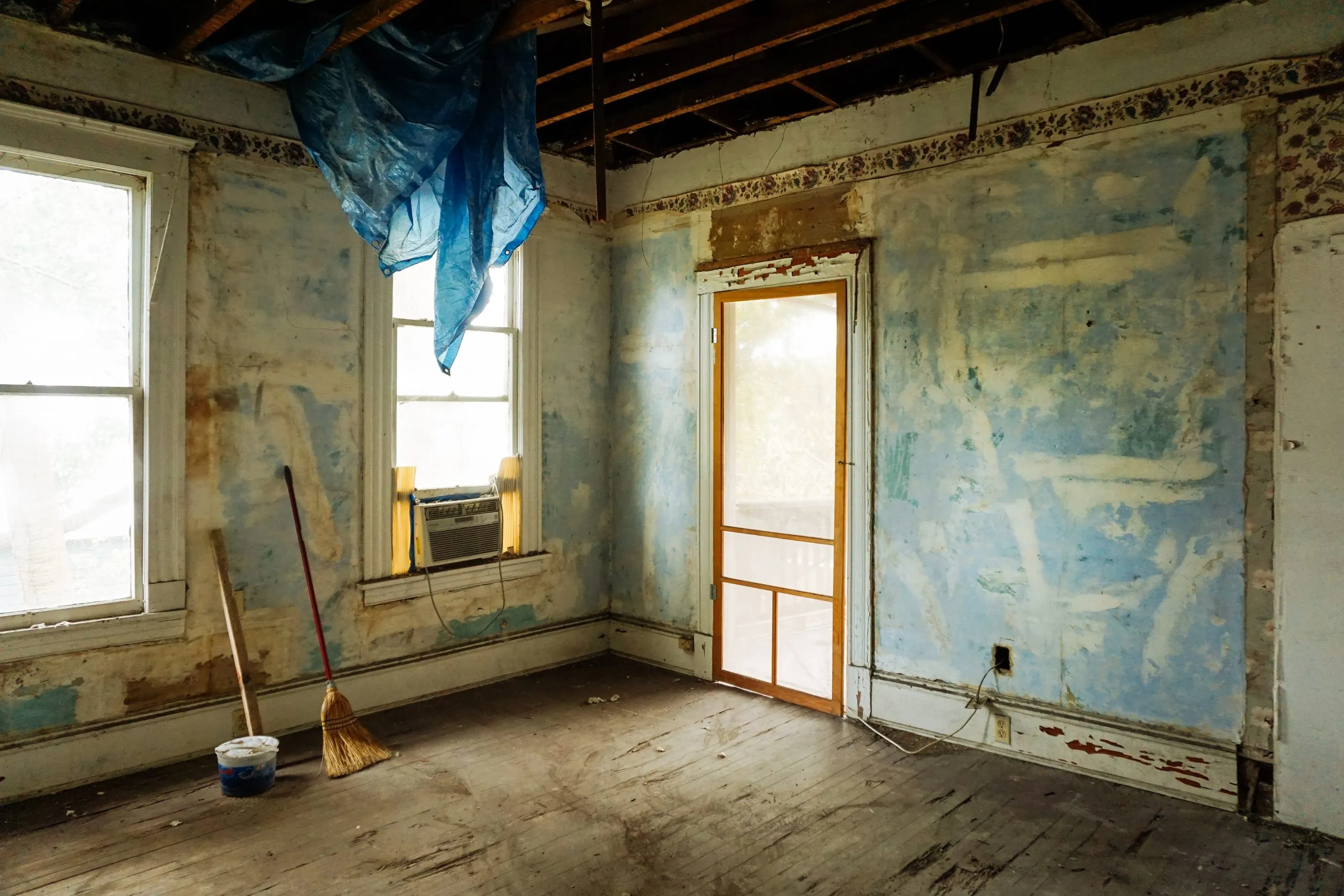
EXISTING PROPERTY

ADVANTAGES
Choice
More choice! There are more existing properties than new-builds on the market… so you will have a wider choice when looking for THE property that suits you. Renovated or in need of renovation—the choice is yours!
Charm
Existing properties often have more charm than highly “standardised” and streamlined new-builds.
Location
By opting for an existing property, you will have a choice of the location that suits you best.
Purchase price
Existing properties are often cheaper than new-builds, meaning you can secure a better deal when purchasing. What is more, first-time buyers will benefit from an attractive allowance on registration duties!
DISADVANTAGES
Building work
Risk of building work! When purchasing an existing property, be sure to carefully assess the cost of the work required, as well as any work planned for the co-owned building, as this can quickly drive up your overall costs!
Practicality | layout
Existing properties are not designed as efficiently as new-builds often are. Consequently, the space may not be used to its full potential, or the layout may simply be outdated: open-plan kitchen, large living room, etc.
Service charges
Service charges are higher because the installations and insulation are not “state of the art”.
J&J Properties
A question or a property project?
Our team supports you from advice to signing.